We've all been there — clothes that used to fit perfectly no longer do, or a new purchase that's almost right but not quite. The instinct is to buy something new, but alterations are often the smarter choice. They're cheaper, faster, and better for the environment. Here's how to decide.
When Alterations Are the Better Choice
The Garment Is High Quality
Quality clothing — well-constructed suits, wool coats, leather jackets — is worth altering. These pieces are built to last and their materials improve with wear. Replacing them with fast-fashion equivalents is a downgrade.
The Fit Issue Is Simple
Hemming, waist adjustments, sleeve shortening, and tapering are routine alterations that cost $25–$85. If the garment fits well at the shoulders and chest, everything else is fixable.
It Has Sentimental Value
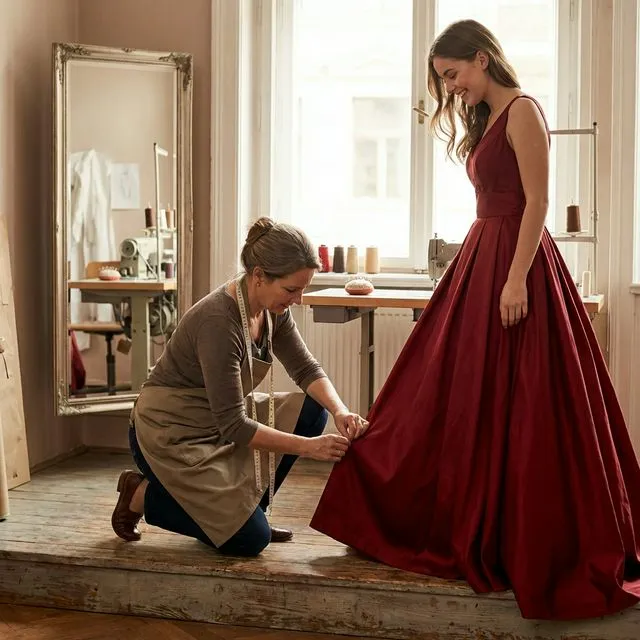
Family heirlooms, wedding dresses, vintage finds — some garments can't be replaced. A skilled tailor can modernize a vintage piece while preserving its character.
You Need It for a Specific Event
Buying a new outfit and hoping it fits perfectly is a gamble. Altering something you already own is a sure bet — you know the garment, and a tailor can have it ready in days. Our 48-hour rush service handles last-minute needs.
When Buying New Makes More Sense
The Garment Is Worn Out
If fabric is thin, pilled, stained, or the construction is falling apart, no alteration can save it. It's time for a replacement.
The Size Difference Is Too Large
Taking in a garment by 1–2 sizes is usually fine. Going beyond that can distort the proportions, pocket placement, and overall silhouette. If you've changed 3+ sizes, new clothing is the better path.
It's Fast Fashion Under $30
If the garment cost less than the alteration would, buying new might be more practical. That said, a $25 hem on a $40 pair of well-made jeans is still worth it if you love the jeans.
The Math: Alterations vs. New
Let's look at some real comparisons:
- Trouser hem ($25) vs. new trousers ($60–$150) — Alteration wins
- Jacket sleeve shortening ($65) vs. new blazer ($200–$500) — Alteration wins
- Full suit package ($250) vs. new tailored suit ($500–$1,200) — Alteration wins
- Wardrobe refresh, 5 items ($180) vs. 5 new pieces ($300–$700) — Bundle alteration wins
Sustainability Factor
The fashion industry produces 92 million tons of textile waste annually. Extending the life of clothing through alterations is one of the most impactful things you can do as a consumer. Every garment you alter instead of replacing keeps fabric out of landfills.
The Bottom Line
If the garment is well-made, the fit issue is correctable, and you like the piece — alter it. You'll save money, get a better fit, and make a more sustainable choice. If the garment is worn out, drastically wrong in size, or low quality, buy new — and then get the new piece tailored too.
If you're weighing this decision for a suit specifically, our guide to suit alterations: what to expect & costs walks through every adjustment and price point. For long-term wardrobe planning, custom vs. off-the-rack compares true cost-per-wear over years.
Not sure whether your garment is worth altering? Bring it in for a free assessment — we'll give you an honest recommendation.