What fits comfortably in 48 hours
A trouser or dress hem on a clean fabric — wool, cotton, polyester blend, silk where the hem allowance is plentiful. A waist take-in of up to two inches on trousers with a centre-back seam. A sleeve shortening on a jacket with surgeons' cuffs not yet opened, or a shirt sleeve hem. A zipper replacement on a dress that has a back zip and intact teeth at the top. A simple seam repair where the fabric is not stressed. Reattaching a fallen lining at a single seam. Each of these can be measured, sewn, and quality-checked inside two business days because the surface area of risk is small and the steps are repeatable.
Hems specifically
Trousers are the easiest. Skirt and dress hems usually work too unless the fabric is delicate lace or the original hem is bound in a way that requires hand reconstruction. Jacket sleeve hems work if there is sufficient unused length at the cuff — measure inside the cuff to see if there is allowance to work with. Coat hems work but eat a larger chunk of the 48-hour window because of the fabric weight and the lining work involved.
Quick repairs
A pulled hem, a popped button, a small seam blow-out on the inseam, a torn pocket bag — these are minute-scale jobs that are best squeezed into the same rush slot as your other work or charged at a separate small-job rate. Walk in if you can; we keep a small repair queue throughout the day for in-and-out customer service.
What does not fit in 48 hours and why
A jacket waist suppression that requires opening the lining at the back. A reproportioning of a suit that touches multiple seams. Bridal work of any complexity. Beadwork removal and replacement. Leather alteration — the material requires a slower sewing rhythm and different needles. Custom clothing fittings. Anything where a re-do is plausible because the right finish requires a second sitting we cannot fit in the window.
When we decline a rush request it is because we have looked at the garment and judged that even completing the work is not the right outcome — completing it in a way that holds up is. A rushed beadwork job that looks fine on Friday and falls apart on Saturday during the reception is worse than no job at all.
How the rush intake actually works
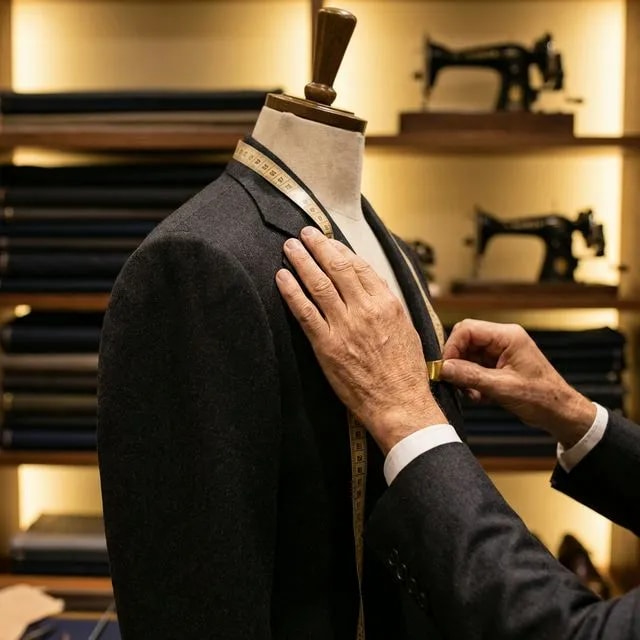
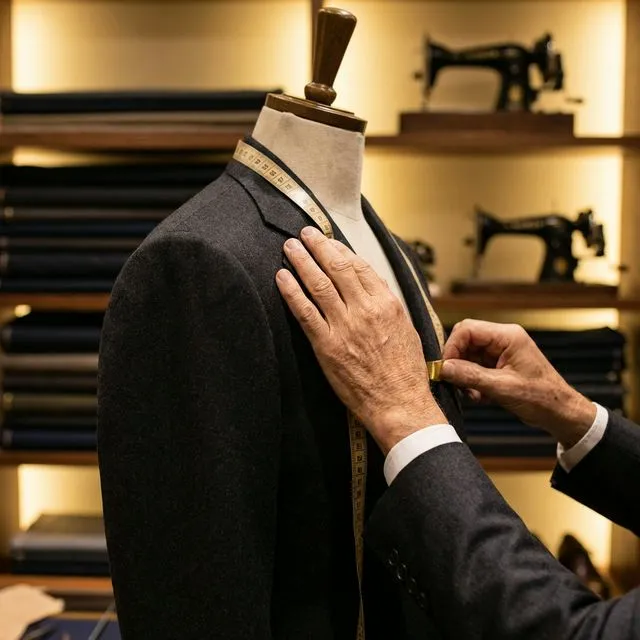
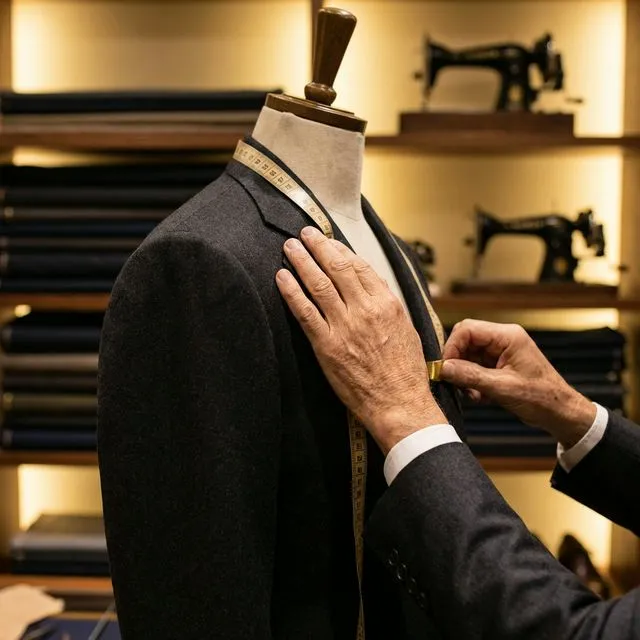
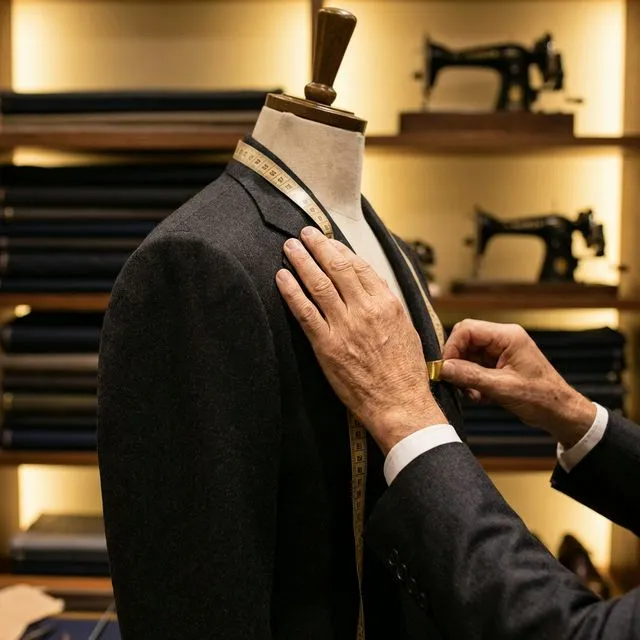
The clock starts when you walk into the studio with the garment in hand. The intake conversation is faster than normal because we have a budget; we look at the garment, decide if rush is feasible, and either accept or refer you to a different timeline. If we accept, we pin and mark the garment immediately, you confirm the fit in front of the mirror, you sign the rush form which captures pickup time and the agreed scope, you pay the rush fee, and the garment goes into the rush queue.
Behind the scenes the work is interleaved into the day in priority order. Most rush jobs are finished on day one because day two is reserved for the secondary try-on and any final touches. You return at the agreed time, try on the garment for a final look, and walk out with it. If something is off — usually it is not — we have day-two capacity to fix it without breaking the original commitment.
What to bring with you
The actual shoes you will wear. The exact undergarments. Any belt that affects how the trouser sits. For a jacket, the shirt you will wear under it (sleeve length depends on cuff exposure). For bridal-adjacent work, we still recommend the full three-fitting bridal process rather than a rush; if you are inside a 48-hour wedding window with a dress not yet altered, the best advice is often to phone us and we will tell you what is realistic.
Pricing for rush work
Standard alteration prices plus a rush multiplier of roughly 1.5×. We do not surprise anyone with the final number — the rush form makes the math explicit at intake. Rush turnaround is not bargained, but no one should overpay either; if your job is genuinely simple and the studio is quiet, we may not charge the full rush multiplier. Conversely, jobs that require us to push other work back on the calendar carry the full rush rate.
Avoiding the rush in the first place
Most rush requests are avoidable with a little forecasting. New garments bought for a future event should go to the tailor the same week, not the week of the event. Wedding parties should book
Wedding parties should book the bridal fittings 8–12 weeks before the date — see the bridal alteration page for the full schedule. New suits should be measured and pinned at purchase time, with the tailor visit ideally within the same week. Travel wardrobes for trips should be triaged a month out, not the night before. The 48-hour rush is the safety net, not the plan.
Edge cases we have handled
A graduating senior whose suit arrived from an online tailor the day before the ceremony with sleeves two inches too long; pinned and finished in one day, picked up the morning of. A bride whose plus-one's tuxedo needed a waist take-in 36 hours before the wedding; done in one sitting. A theatre production with a costume change that did not fit the actor stepping in; turned in 48 hours including a fitting on Saturday morning. A new homeowner who needed dress shirts taken in for the housewarming; six shirts, two days, all walked out the door on schedule.
These work because the customer was honest at intake about what they needed and we were honest about what we could do. The 48-hour rush is not a magic trick; it is a tightly run version of the normal workflow with most of the slack removed. The slack is what protects quality on a normal job, so the rush works precisely because the underlying job is small enough to fit. The way to use it well is to bring genuinely simple work, plan it with us once, and let the workflow do its job.
Behind the scenes: how we structure a rush day
A rush job that arrives at 10 a.m. on Tuesday and is due back at 10 a.m. Thursday gets scheduled into the day immediately. The first cut and pin happens by lunch; the sewing block runs through the afternoon; an evening pressing pass leaves the garment ready for Wednesday's quality check. Wednesday morning is reserved for the second pass — any final adjustments, the lining detail, the final press. By Wednesday afternoon the garment hangs ready for Thursday pickup, with a 24-hour buffer in case the customer arrives early.
When two or three rush jobs land on the same day we triage by complexity and by pickup time. A simple trouser hem due Friday morning waits behind a more complex skirt alteration due Thursday morning. We do not stack rush jobs onto each other; if we are at capacity we tell the next customer to come at a different time rather than promise a window we cannot hold.
Rush capacity during peak seasons
Wedding season (April through September) and prom season (March through May) consume most of our rush capacity for bridal and formalwear projects. Holiday season (November through December) brings rush traffic on suits and dresses for office parties and family events. During those windows we recommend booking even simple rush jobs a few days in advance rather than walking in cold. For genuinely time-sensitive work we will always find a way, but the slot we give you on a quiet February afternoon is not the same slot we can offer on the second Saturday of June. Customers in Sacramento, Roseville, and Elk Grove represent most of our rush volume; further-out customers in Davis or Auburn occasionally bring rush jobs and we accommodate them when the math works.
Frequently asked rush questions
Can you do same-day? Sometimes, for very small jobs, when the studio is quiet. Call ahead — do not drive in cold. Can you ship the finished garment? Yes, anywhere in the United States by next-day courier at your cost; we cannot guarantee the courier's timeline, only ours. Can you fit a rush job around a planned appointment? Yes — that is one of the most common patterns. Sacramento and Roseville customers in particular often combine a rush hem with another planned visit to make the trip count twice.
Is rush available during peak bridal season? Limited. April through August our rush capacity is the tightest, and we tell people honestly when the window is closed for the week. Saturday rush starts that may run into Saturday afternoon are accepted at our discretion if the studio schedule allows it.